 Zovda
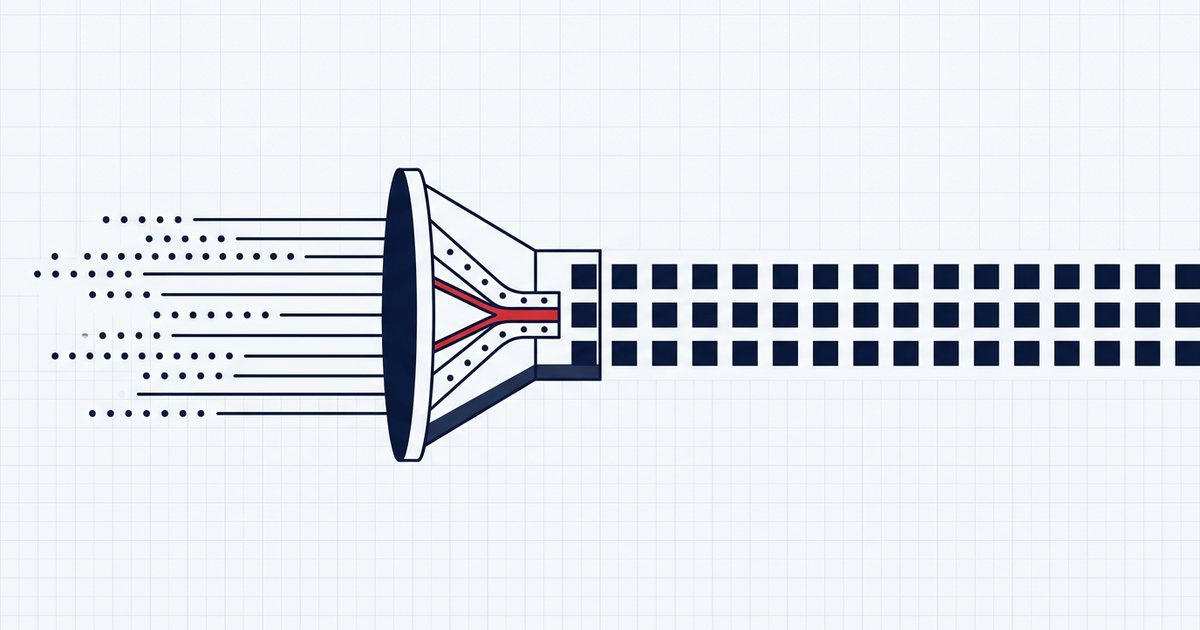
A textbook works because of its structure: a concept is introduced, demonstrated, practised, then checked. Strip that structure into paragraphs and what remains is a reference book nobody learns from.
Textbook corpora often do exactly that, and then wonder why the model can recite but not teach.
Four row types, four uses
Concept explanations teach definition. Worked examples teach procedure. Exercises teach problem recognition. Answers teach verification.
A corpus that mixes them into one row type cannot be balanced, and every downstream mix is guesswork.
Keep the scaffolding
Chapter number, section depth, prerequisite links, and the exercise-to-answer pairing are the scaffolding. They let a buyer build a curriculum instead of a pile.
Where a diagram carries the argument, keep the diagram reference rather than deleting it.
Grade level is a field
The same subject at three grade levels is three corpora. Record the level, the curriculum family, and the language variant, or the mix will silently skew to whatever was easiest to collect.
The checklist we run
- Are explanation, example, exercise and answer stored as distinct types?
- Is the exercise paired to its answer and to its section?
- Are prerequisites and chapter depth recorded?
- Is grade level a field rather than an assumption?
- Can a subset be assembled for one subject and one level without manual review?
If a supplier cannot answer these, the corpus is a scan with clean text. Zovda keeps the teaching structure intact, and the Datuva catalogue exposes it as separate families.
Where to start
Start from the learner you are modelling, then pick the row types that behaviour needs. The question bank collection covers the practice end, and the corpus catalogue shows the stage mapping.
Tell us the subject and grade range. We reply within one business day.