 Zovda
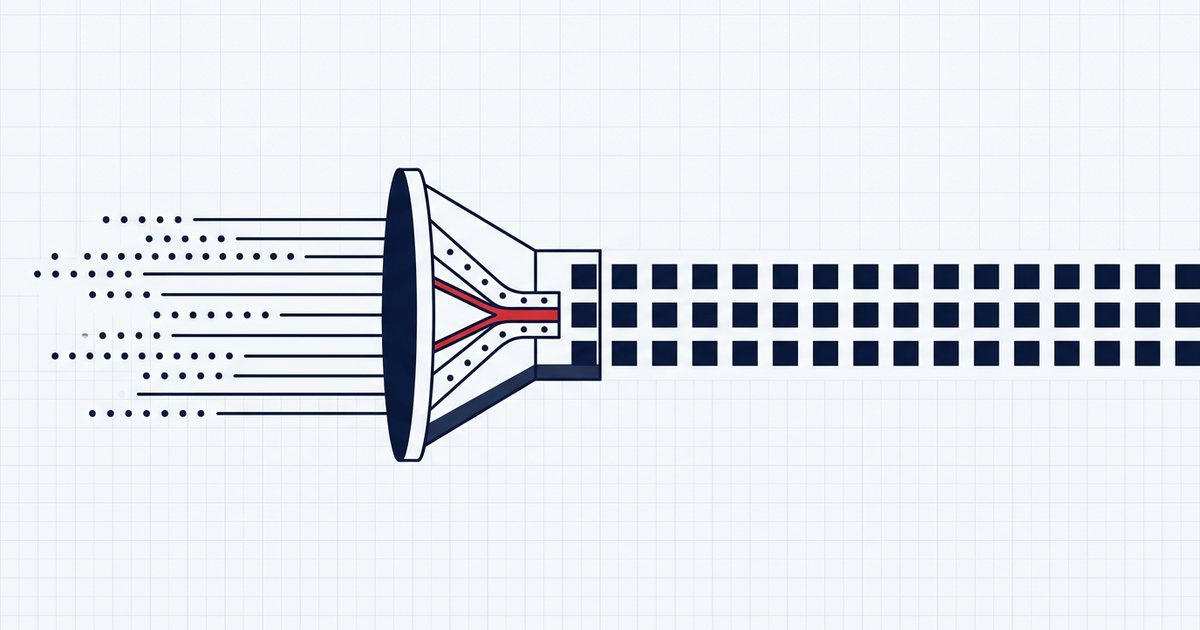
A dialogue dataset that stores one long string per conversation looks complete and trains badly. The model cannot tell where a turn starts, who is speaking, or which question a reply belongs to.
Multi-turn behaviour is exactly the part that requires that structure.
Turns are the unit, not the file
Each turn needs a speaker role, a position in the sequence, and a link to the turn it responds to. Without the link, a follow-up looks like a new topic.
That link is also what makes it possible to train on clarification, correction, and topic return.
Topic shifts should be marked
Real conversations wander. A corpus that only contains clean, on-topic exchanges teaches a model that users stay on script.
Mark the shift, keep the wandering turns, and let a buyer decide how much of it to include.
Annotate the repair, not just the answer
Corrections, restatements and "no, I meant" moments are the rarest and most valuable rows. They teach recovery, which is what separates a demo from a product.
A usable dialogue corpus labels at least three repair types: repetition, correction and abandonment.
The checklist we run
- Does every turn carry a role and a sequence position?
- Is there an explicit link from a reply to the turn it answers?
- Are topic shifts marked rather than removed?
- Are repair turns labelled by type?
- Can a single conversation be replayed from the fields alone?
If a supplier cannot answer these, the corpus is a transcript with a speaker column. Zovda structures dialogue families this way so the Datuva catalogue can offer them for both supervised and preference work.
Where to start
Start from the behaviour you need: answering follow-ups, asking for clarification, or recovering from a mistake. The corpus catalogue shows how dialogue rows are read at each stage.
Tell us the behaviour and the volume. We reply within one business day.