 Zovda
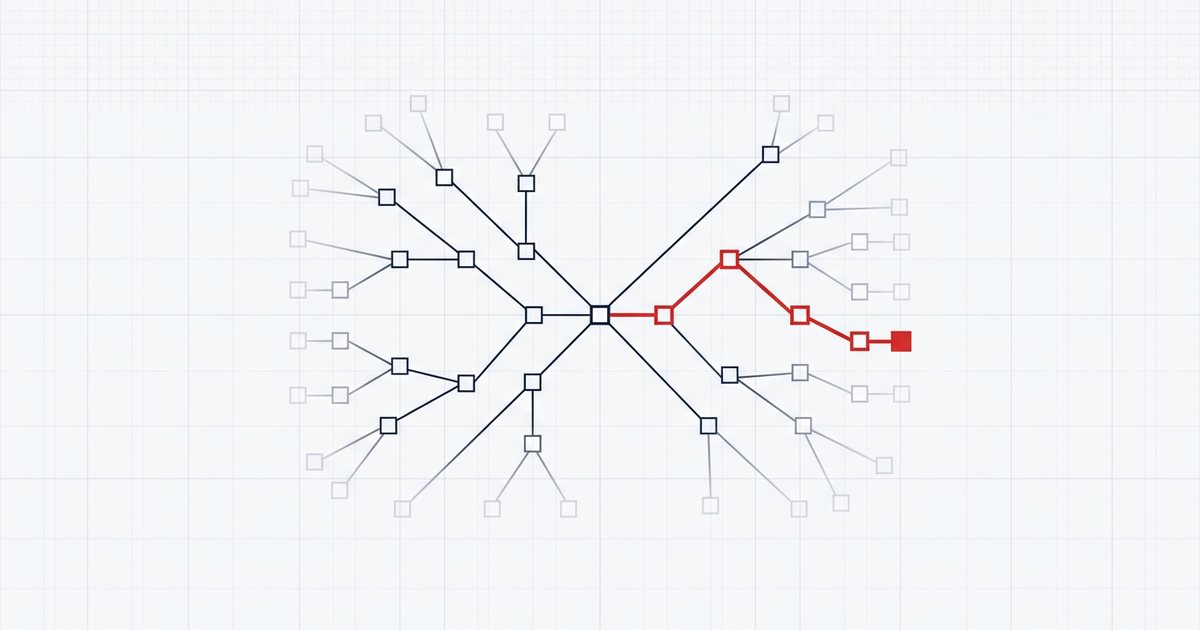
Analytics teams produce a steady stream of question, query, result and correction. Each one is a labeled example of turning a business question into an operation.
The stream is thrown away after the meeting, and then the team wonders why the model cannot answer a question about its own data.
The three things that make it usable
The question as asked, including the ambiguity. The query that answered it. The result someone verified.
Without the third, you have a model learning to write queries that run, which is not the same as queries that are right.
What a record holds
- The question, in the asker's words
- The schema at the time, since tables get renamed
- The query, and the dialect it was written in
- The result, with row count and the check that validated it
- The follow-up question, which is usually where the real requirement was
The last field is the most valuable and the most often lost. The first answer is rarely the answer.
Ambiguity is the training signal
"Revenue last quarter" is four different queries depending on the team. Storing the disambiguation, rather than the version after it, teaches the model to ask instead of guessing.
Collect the clarifying exchange, not only the final answer.
Keep the schema versions
A query written against last year's tables does not run today, and a model trained on it learns column names that no longer exist. Store the schema hash with the row.
Zovda builds these collections through Datuva, where the question, the query and the check stay together. The data research collection shows the structure.
Tell us what your team keeps asking. We reply within one business day.