 Zovda
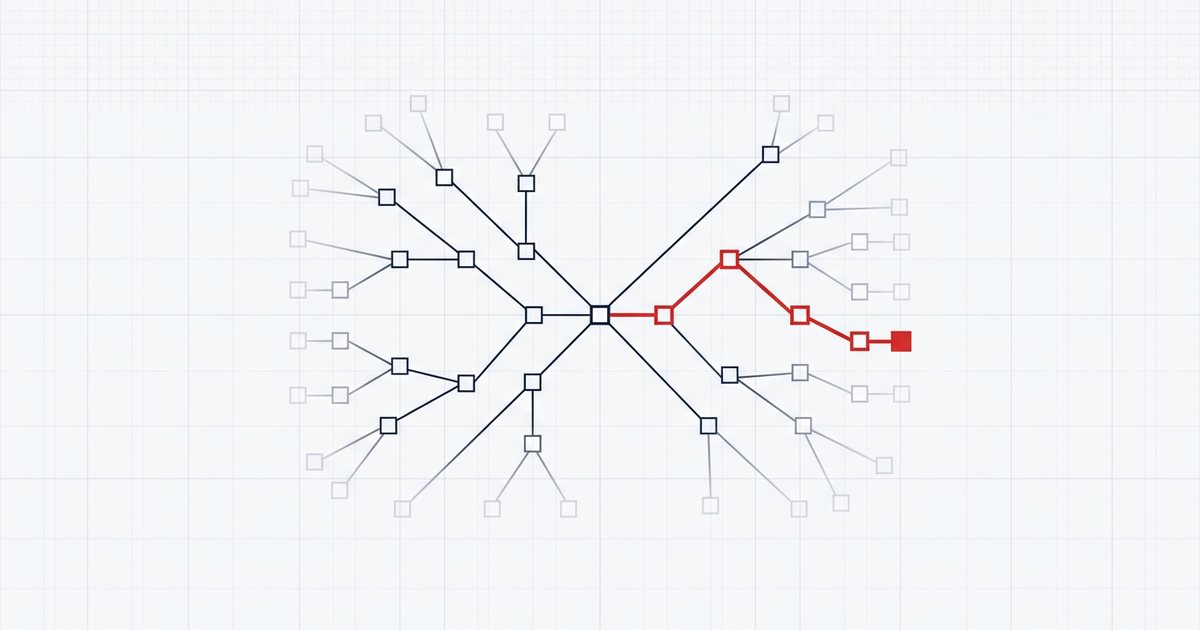
An agent learns from the consequences of its actions. If the environment gives different consequences for the same action, the model learns noise and the reward curve looks fine.
Reproducibility is the least discussed and most decisive property of an agent training environment.
Twice the same input, twice the same output
A sandbox that resets partially, keeps a cache, or depends on live external state will answer differently on a rerun. The difference is small enough to look like model variance.
Test it: run the same episode ten times with the same seed and compare the final state and the score. If they differ, nothing downstream is measurable.
What an environment record holds
- The starting state, hashable
- The action taken, with its arguments
- The observation returned
- The state after, and whether it can be restored
- The time it took, which matters for a step budget
The last one is a resource, not a quality signal, and mixing them makes both harder to read.
Failure modes belong in the environment
An environment that never errors teaches an agent that nothing goes wrong. Real tools time out, return partial data, and reject malformed arguments.
Inject those failures deliberately and record which ones were injected. Otherwise the model learns to trust a world that does not exist.
Score the trajectory, not the ending
An episode that succeeds by accident and one that fails after a correct plan are different. Score intermediate steps where the check is objective, and keep the ending as one signal among several.
Zovda builds these collections through Datuva, where each episode keeps its starting state and its action log. The code and agent collection shows the fields.
Tell us what your agent must operate. We reply within one business day.