 Zovda
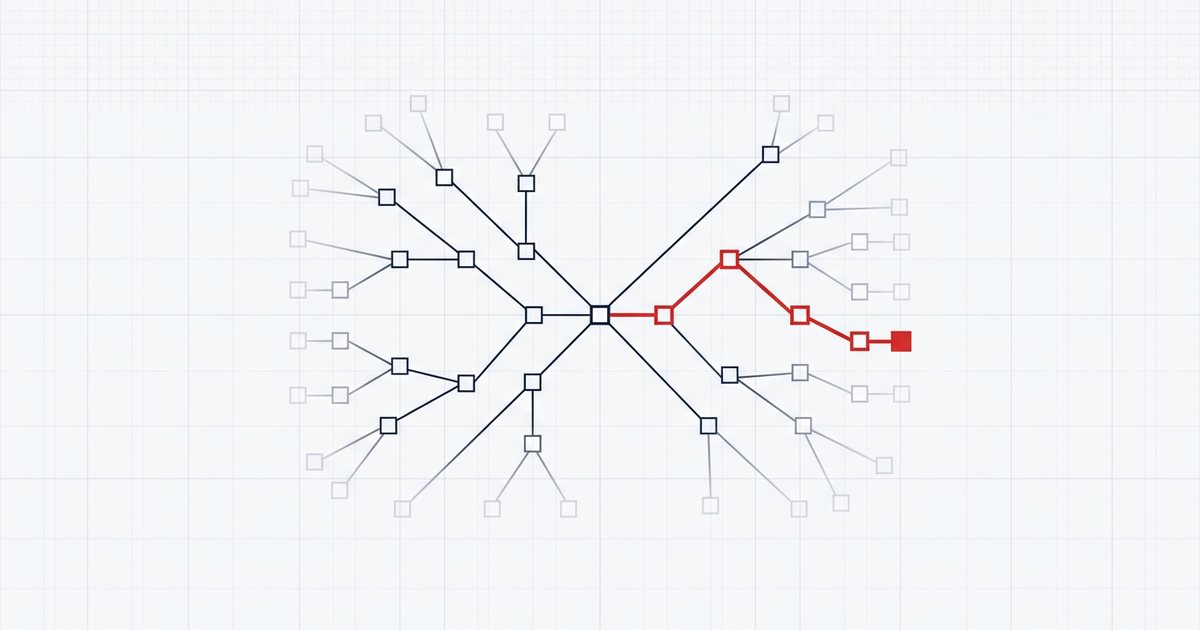
A tool-calling dataset made of perfect calls teaches a model to produce perfect calls for easy requests. Production traffic is not made of easy requests.
The value sits in the edges, and the edges are exactly what a clean demo set strips out.
The happy path teaches almost nothing
If every row has one obvious tool, all fields present, and a request that names the tool out loud, the model is learning to copy. It will still fail on the first ambiguous request, because ambiguity was never in the data.
A useful set contains requests where the right answer is a refusal, a clarification, or two calls in sequence.
What a call record holds
- The user request, in the phrasing a real user would use
- The tool definitions available at that moment
- The call or calls returned, with argument types preserved
- The result the tool would return
- Whether the outcome resolved the request
Without the available tool set, a call is ambiguous after the fact. The same request against five tools and against fifty is a different problem.
Negative examples are the product
Three kinds of negative rows carry most of the signal:
- A request that needs a tool the set does not contain, where the correct behavior is to say so
- A request with a missing argument, where the correct behavior is to ask
- A request that looks like tool A but belongs to tool B
Most teams have none of these, and then wonder why the model calls something on every turn.
Where teams get the schema wrong
Tool descriptions written by engineers describe the implementation. Models need the boundary: when to use this one instead of the neighbour, and what the units are.
If two tools overlap, the data has to show the tie-break, or the model learns to pick randomly and call it confidence. Zovda builds tool-use sets through Datuva, where the available tool set is stored with each row, so the decision stays reconstructable.
Tell us your tool set and the failure cases you keep seeing. We reply within one business day, and the code and agent collection shows how these rows are shaped.