 Zovda
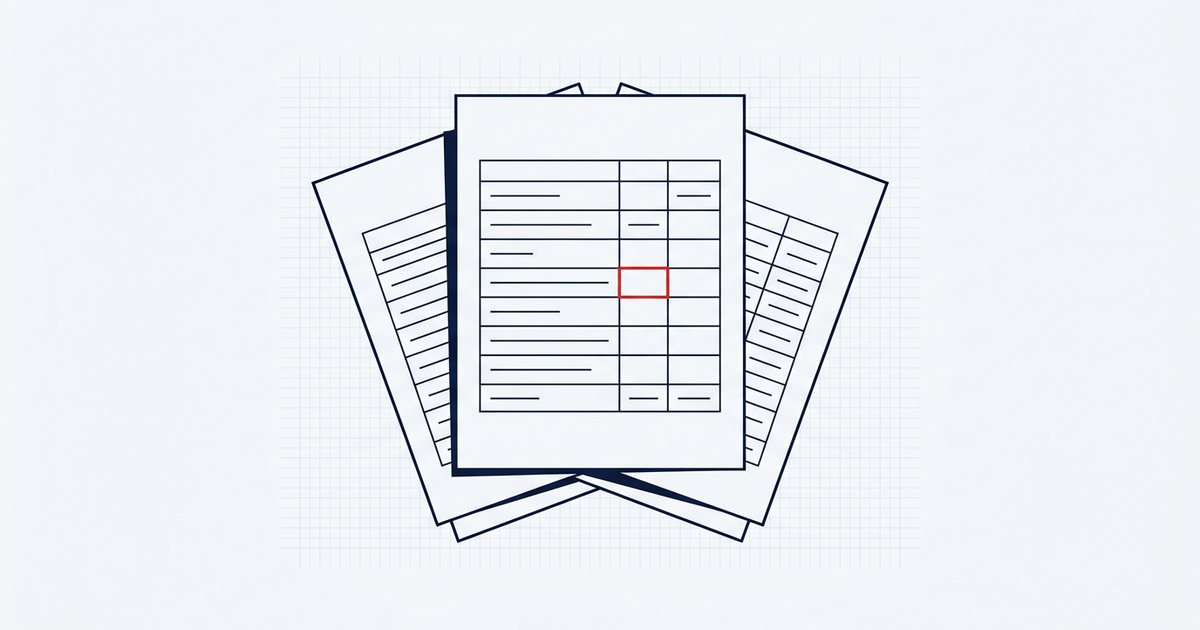
Ask two people to caption the same image and you get two descriptions of the same objects. Ask them to write a task and you get two different behaviours. The second pair is harder to produce and far more useful.
Most image-text corpora sit entirely in the first category, which is why a model trained on them can describe an image and still fail the instruction.
Captions answer what, instructions answer do
A caption names what is present. An instruction states what the answer should look like: extract the total, compare two regions, decide whether the scene is safe, count the items that match a rule.
Those pairs teach reasoning about an image rather than recognition of one. They are also the pairs teams forget to collect.
Vary the question, not only the picture
Ten pairs over ten images with one instruction teach one behaviour on ten pictures. One image with ten tasks teaches ten behaviours on one picture.
A usable set varies both axes and records which axis each pair belongs to, so a buyer can balance the mix.
The answer must be checkable
If a response cannot be verified against the image, the pair is an opinion. Totals, locations, counts, labels and yes-or-no decisions are checkable. "Describe the mood" is not.
We record a verification type per row: exact match, field match, or human review. That single field separates a usable set from a pile of prose.
The checklist we run
- Does every pair state a task rather than a description?
- Do tasks span more than one instruction type?
- Can each answer be checked against the image without a person?
- Is the verification type recorded per row?
- Are images and answers kept in separate fields?
If a supplier cannot answer these, the corpus will train a captioner. At Zovda, Datuva pairs are built around tasks, because that is what buyers deploy.
Where to start
Start from the output your product must produce, then design the pair that demonstrates it. The image-text collection describes the families we keep, and the corpus catalogue maps them to training stages.
Tell us the task and the volume. We reply within one business day.