 Zovda
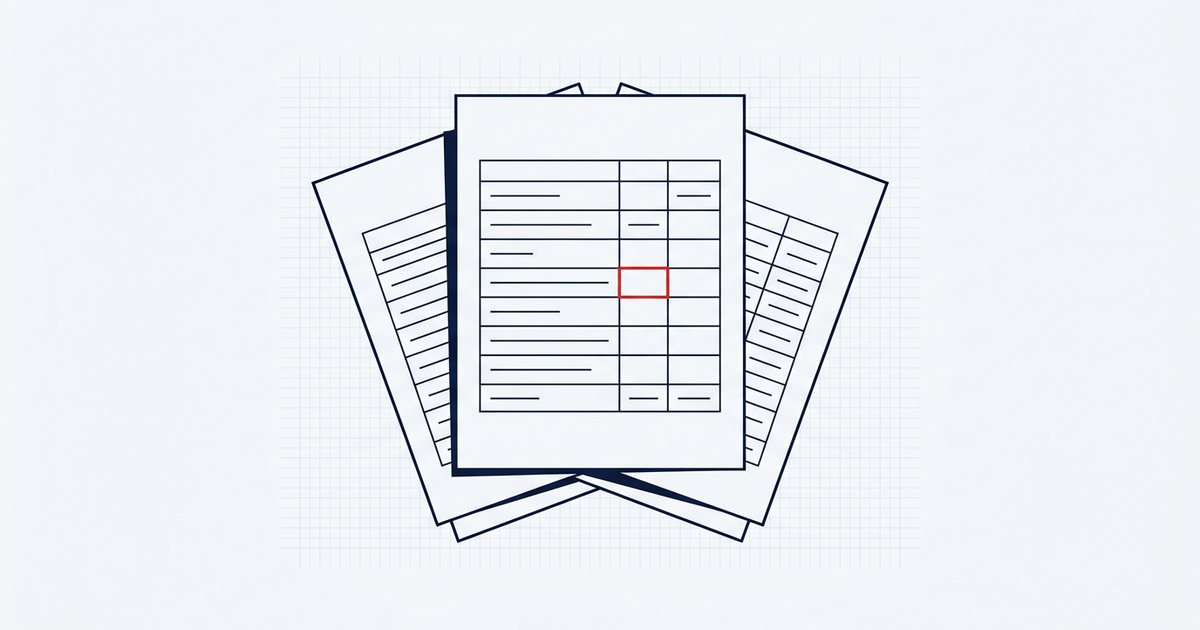
An image folder with a resolution column looks like a dataset. It behaves like one the first time someone asks for "only outdoor shots, daytime, no people" and discovers that none of those facts were ever recorded.
Images are the cheapest modality to collect and the easiest to under-document. The gap is almost never pixels.
Resolution is not the interesting field
A modern model can be trained on almost any resolution. What it cannot recover is context nobody wrote down: where the image came from, what is in it, whether people appear, and whether it was shot indoors.
Eight fields carry most of the value: capture type, scene category, lighting, subject count, presence of people, collection licence status, processing history, and a stable id. Get those right and the corpus answers questions without opening a single file.
Describe the scene, not the picture
"Two people walking" is captioning. "Outdoor, daytime, two people, street, overcast" is metadata. The second can be filtered; the first has to be read.
We keep the descriptive caption in its own field, because it is useful for multimodal work and useless for slicing a training mix.
Removal is part of documentation
An image corpus ages from the day it is collected. Duplicates accumulate, low-quality frames survive, and near-identical bursts inflate a category without adding information.
Track the deduplication pass and the quality filter as fields, so a buyer can tell which version of the collection is in hand.
The checklist we run
- Does every image carry a scene category and a lighting label?
- Is the presence of people recorded rather than assumed?
- Can duplicate groups be filtered without decoding files?
- Is the processing history attached to the collection, not to a slide deck?
- Do ids stay stable across re-export?
If a supplier cannot answer these, the collection is a folder. At Zovda, the Datuva catalogue treats these fields as part of the product rather than documentation added later.
Where to start
Start from the filtering question you will ask in month three, then work backwards to the fields. The image collection lists what each family contains, and the corpus catalogue shows how the same images are read at different training stages.
Tell us the scenes and volume you need. We reply within one business day.