 Zovda
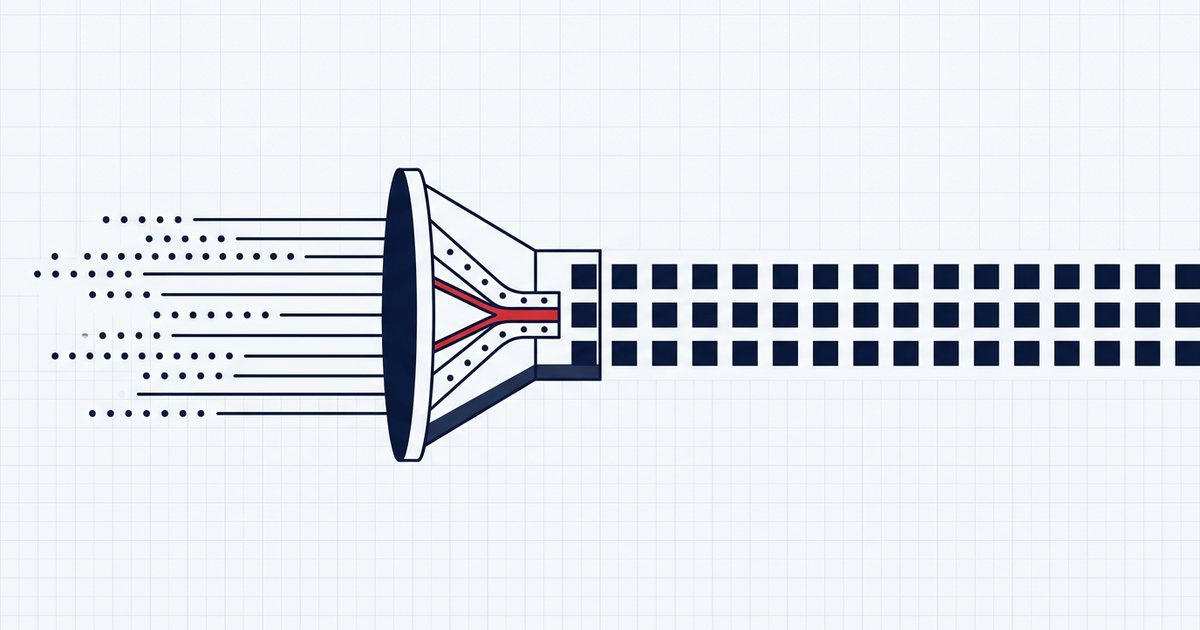
Fine-tuning is attractive because it is bounded: a small dataset, a short run, a visible change. That boundedness also hides the main failure, which is a set that contains one behavior repeated ten thousand times.
The model learns the repetition perfectly.
What a small set can and cannot teach
A few thousand well-chosen examples can teach a format, a persona, a response pattern, or a narrow classification. They cannot teach a body of knowledge or a reasoning skill that is not already present.
Deciding which of these you want is the whole design.
Diversity matters more than size
Twenty examples of a task that differ in input shape, difficulty and edge case teach more than two thousand paraphrases. If every example shares a template, the model learns the template.
Watch for the collapse
After fine-tuning, run the held-out evaluation from before. If it dropped, the set has overwritten something rather than added to it.
A small set that improves one slice and degrades two is a regression with a good demo.
Keep the examples you rejected
The rows you decided not to include are a record of your taste. When results disappoint, that record is where the answer usually is.
Zovda builds these sets through Datuva, where each row keeps its task family and difficulty. The question bank collection shows how a graded set is assembled.
Tell us what you want the model to learn. We reply within one business day.