 Zovda
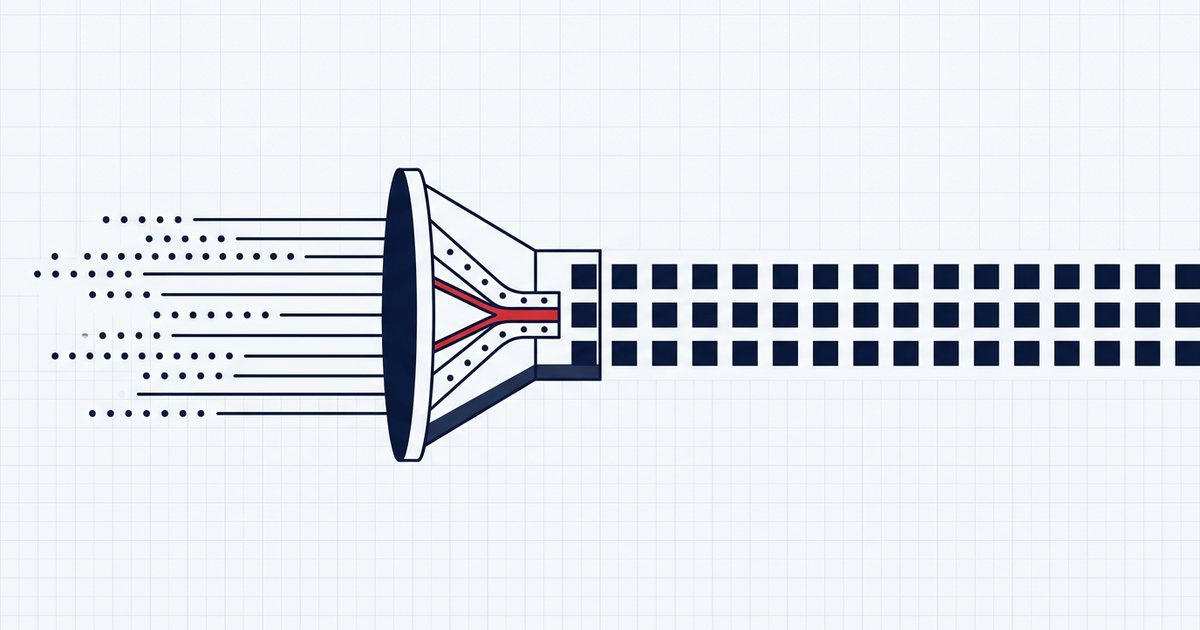
Instruction sets are easy to grow and hard to diversify. Generating variations is trivial, and variations of the same task are still the same task.
A set of ten thousand instructions that all ask for a summary teaches summarization, confidence, and the tone of whoever wrote the templates.
Variety has axes
- The operation: transform, extract, decide, explain, refuse
- The input shape: short text, long document, table, code, conversation
- The constraint: length, format, audience, what must not be said
- The difficulty: one step, several steps, missing information
Count rows per cell of that grid. A set that looks large in total is usually empty in most of it.
Template families are visible
Generated instructions share sentence openings, punctuation habits, and a preference for the same three verbs. A model trained on them learns to recognize the template and answer accordingly.
Sample twenty rows at random and read them aloud. You will hear the template.
Templates are fine if they are labeled
Synthetic breadth is useful for following a format and useless for judgment. Keep a field that says which rows are generated and from which family, then control the mix.
Measure what the set can teach
Hold out a task family entirely. If the model cannot do it after training, the set taught the others and not this one, which is the honest description of most instruction corpora.
Zovda builds these collections through Datuva, where task family and input shape are separate fields. The corpus catalogue shows how the same grid is used across modalities.
Tell us which behaviors you need covered. We reply within one business day.