 Zovda
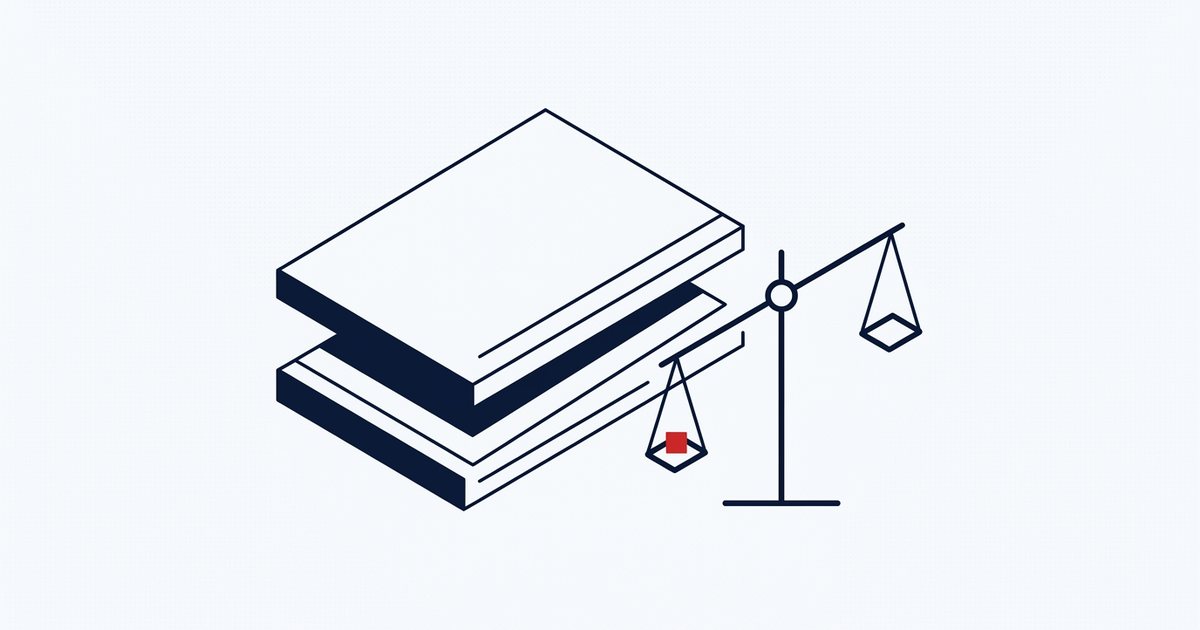
A sample is chosen to be representative and is usually chosen to be good. The question that separates vendors is not "what is in the sample" but "what did you leave out, and why".
Every honest dataset has an answer. A vague one is itself the answer.
Three things that get held back
- The evaluation slice, kept private so buyers cannot tune to it
- The rows that failed quality review, kept for audit
- The hard cases, kept because they are being sold separately
The first is good practice. The second should exist. The third is a scoping conversation.
Ask for the exclusion list
Which categories, languages, date ranges and sources are not included, and what happened to the rows that were rejected.
A vendor who can answer this in a sentence knows their own data. One who cannot has not looked.
Ask for the failure rate
Every batch has rows that do not survive review. The rate, by category, tells you what the acceptance check will find before you run it.
A rate of zero is not a good sign; it means the check is not being done.
Ask how the sample was drawn
Random from the delivered set, or chosen by hand? Both are legitimate, and they answer different questions. Only one of them tells you what will arrive next month.
Zovda ships each collection through Datuva with the exclusions written on the card. The corpus catalogue shows what each family deliberately excludes.
Tell us what you need to rule out. We reply within one business day.